
In today’s digital age, artificial intelligence (AI) is reshaping nearly every industry—including how companies hire talent. But what was once seen as a progressive step toward remote hiring has now become a potential loophole for misuse. To address these growing concerns, Google has announced that it is reinstating in-person coding interviews for technical roles, a move driven by fears that candidates are increasingly using AI tools to cheat during online assessments.
This step underscores Google’s renewed focus on authentic skill evaluation, ensuring that candidates can demonstrate problem-solving ability without hidden AI assistance.
Why Google Is Changing Its Hiring Process
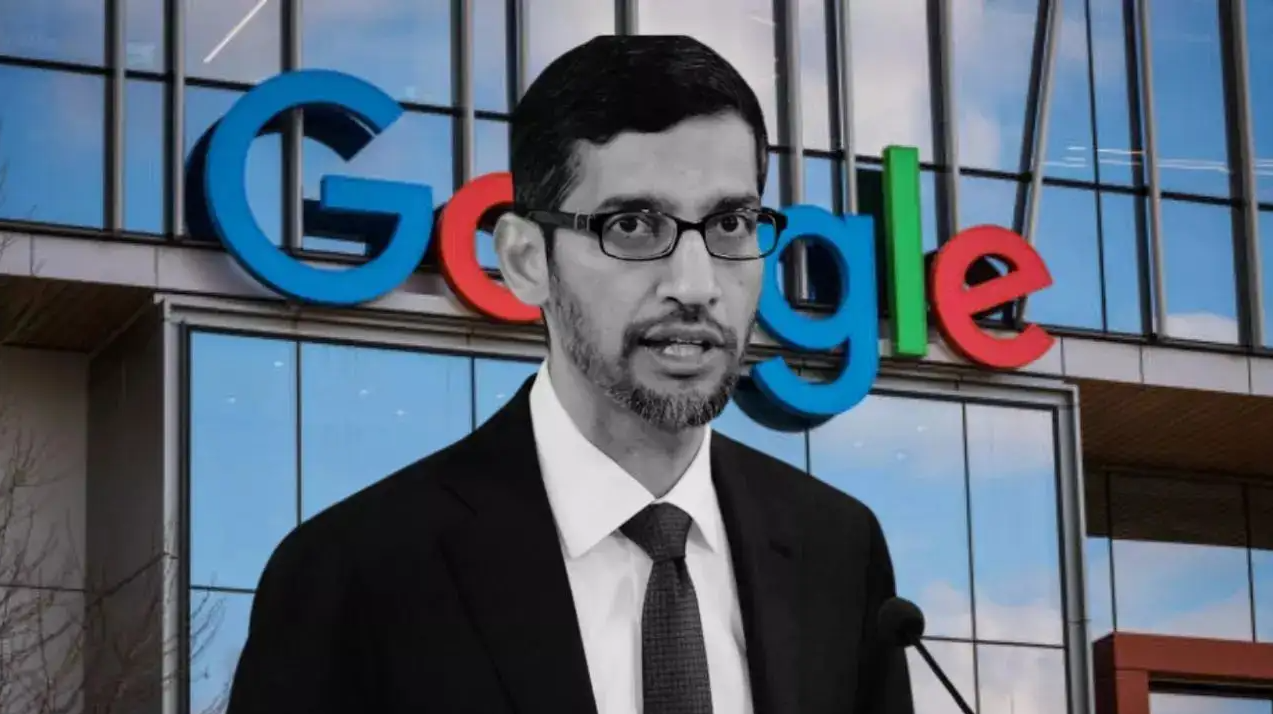
Confirming the shift, CEO Sundar Pichai revealed that the decision comes after internal reports showed a significant rise in AI-assisted cheating during virtual interviews. Candidates were increasingly leaning on tools like ChatGPT and GitHub Copilot to generate solutions in real time, making it difficult for recruiters to distinguish genuine skills from AI-enabled shortcuts.
According to reports, in some instances, more than half of applicants in coding tests were suspected of using AI help. For Google, this posed a serious risk: weakening the company’s talent pipeline at a time when technical expertise is crucial for maintaining innovation, security, and product quality.
Pichai emphasized:
“With the advent of AI, we must ensure we’re hiring people who have strong computer science fundamentals and can perform effectively on the job.”
To tackle the issue, Google will now mandate at least one on-site coding interview for technical hires, reinforcing the integrity of its recruitment process.
Industry-Wide Ripple Effect
Google is not alone in facing this challenge. Other big players in tech and consulting have already taken action:
- Amazon now requires candidates to sign agreements pledging not to use unauthorized AI tools during assessments.
- Anthropic, an AI-focused firm, has outright banned AI use during hiring tests.
- Cisco and McKinsey have reintroduced in-person assessments to maintain authenticity.
- Deloitte has reinstated physical interviews for its UK graduate programs.
This trend reflects a growing consensus across industries: while remote hiring is efficient, it leaves too many vulnerabilities in an era where AI is powerful, accessible, and difficult to monitor.
The Larger Debate: AI as a Tool vs. AI as a Crutch
The controversy raises deeper questions: Should AI use in interviews be banned altogether, or accepted as part of modern work culture?
Supporters argue that using AI shows adaptability and mirrors real-world scenarios where professionals rely on advanced tools daily. Critics counter that recruitment is meant to test raw ability and deep understanding, not external assistance.
For now, Google’s decision makes its stance clear—authentic, unassisted human skill will remain at the heart of technical hiring.
What This Means for the Future of Hiring
As AI tools become even more sophisticated, companies will continue grappling with how to balance fairness with practicality. The return of in-person interviews may be only the first step in an evolving hiring landscape, one that demands clearer ethical boundaries around AI use.
Ultimately, Google’s move signals a new chapter in recruitment: one where human expertise must shine through, even in an AI-driven world.